Top Religious Sites to Visit in Agra, India
Agra, a city steeped in history and culture, is not just famous for the iconic Taj Mahal. It is also home to a variety of religious sites that reflect the rich spiritual tapestry of India. From ancient temples to grand mosques, Agra offers a unique glimpse into the diverse religious practices that thrive in this vibrant city. In this blog post, we will explore some of the top religious sites to visit in Agra, providing insights into their significance and history.

The Taj Mahal
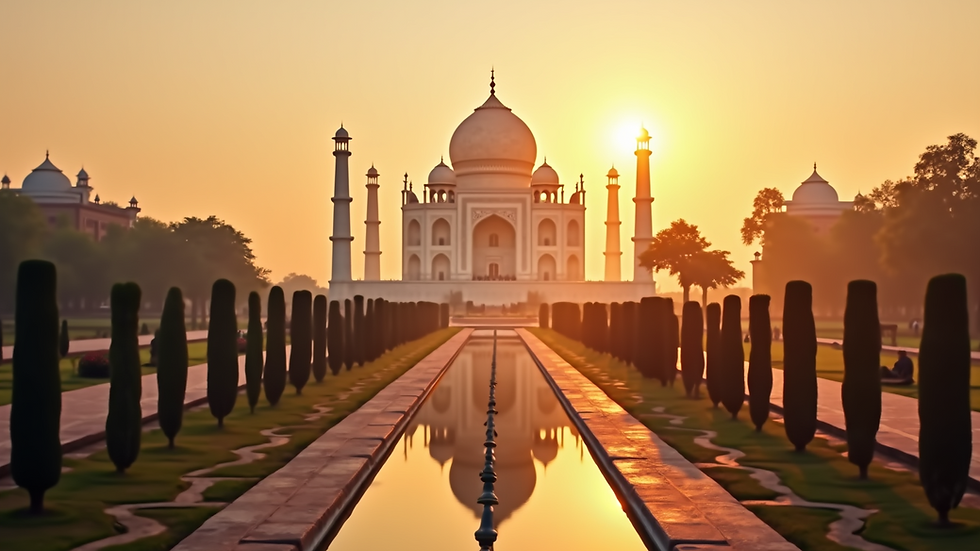
No visit to Agra is complete without a trip to the Taj Mahal. This UNESCO World Heritage Site is not only a mausoleum but also a symbol of love, built by Mughal Emperor Shah Jahan in memory of his beloved wife, Mumtaz Mahal. The Taj Mahal is an architectural marvel, showcasing intricate carvings and stunning gardens.
Significance
Symbol of Love: The Taj Mahal is often referred to as a monument of love, attracting millions of visitors each year.
Architectural Brilliance: The white marble structure is adorned with precious stones and showcases the artistry of Mughal architecture.
Visiting Tips
Best Time to Visit: Early morning or late afternoon offers the best lighting for photography.
Entry Fees: There is an entry fee for both Indian and foreign tourists, so be prepared.
Agra Fort
Another significant site is the Agra Fort, a UNESCO World Heritage Site that served as the main residence of the Mughal emperors until 1638. The fort is a stunning example of Mughal architecture and is surrounded by a massive wall.
Historical Importance
Royal Residence: The fort was the seat of power for the Mughal dynasty and is rich in history.
Architectural Features: The fort features beautiful palaces, gardens, and mosques, showcasing the grandeur of Mughal architecture.
Visiting Tips
Guided Tours: Consider hiring a guide to fully appreciate the history and significance of the fort.
Timing: The fort is open from sunrise to sunset, so plan your visit accordingly.
Itimad-ud-Daulah's Tomb
Often referred to as the "Baby Taj," Itimad-ud-Daulah's Tomb is a beautiful mausoleum built for Mirza Ghiyas Beg, the grandfather of Mumtaz Mahal. This site is known for its intricate marble inlay work and serene gardens.
Architectural Highlights
Inlay Work: The tomb is adorned with exquisite marble inlay, making it a precursor to the Taj Mahal.
Gardens: The surrounding gardens provide a peaceful atmosphere for reflection.
Visiting Tips
Photography: The intricate details of the tomb make it a photographer's paradise.
Entry Fees: There is a nominal entry fee, making it accessible for all visitors.
Jama Masjid
The Jama Masjid in Agra is one of the largest mosques in India, built by Shah Jahan in 1648. This magnificent structure is a blend of Indo-Islamic architecture and is known for its stunning red sandstone and white marble.
Significance
Religious Importance: The mosque is a significant place of worship for Muslims and attracts visitors from all over.
Architectural Beauty: The intricate carvings and expansive courtyard are breathtaking.
Visiting Tips
Dress Code: Visitors are required to dress modestly, and women may need to cover their heads.
Prayer Times: Be mindful of prayer times, as the mosque may be closed to tourists during these periods.
Mankameshwar Temple
The Mankameshwar Temple is one of the oldest temples in Agra, dedicated to Lord Shiva. It is a significant pilgrimage site for Hindus and is believed to fulfill the wishes of devotees.
Historical Context
Ancient Roots: The temple has a rich history and is said to have been built during the Mahabharata era.
Cultural Significance: It attracts many devotees, especially during festivals.
Visiting Tips
Best Time to Visit: Early morning is ideal for a peaceful experience.
Local Customs: Be respectful of local customs and practices while visiting.
Chini Ka Rauza
Chini Ka Rauza is a lesser-known gem in Agra, dedicated to the Persian poet and scholar Allama Afzal Khan. This tomb is famous for its unique blue and white tile work, which is a hallmark of Persian architecture.
Architectural Features
Tile Work: The intricate tile work is a stunning example of Mughal-Persian fusion.
Serene Atmosphere: The site is less crowded, offering a tranquil experience.
Visiting Tips
Accessibility: The site is easily accessible and can be visited in a short time.
Photography: Capture the beautiful tile work and serene surroundings.
Conclusion
Agra is not just about the Taj Mahal; it is a city rich in religious heritage and architectural wonders. From the majestic Agra Fort to the serene Mankameshwar Temple, each site offers a unique glimpse into the spiritual and cultural fabric of India. Whether you are a history buff, a spiritual seeker, or simply a curious traveler, Agra's religious sites are sure to leave a lasting impression.
As you plan your visit, consider exploring these remarkable sites to gain a deeper understanding of Agra's rich history and diverse religious practices. Each location tells a story, inviting you to connect with the past and appreciate the beauty of faith in its many forms.

Comments